




Â鶹´«Ã½¹ÙÍø’ role in the fight for freedom is well established. The Bleeding Â鶹´«Ã½¹ÙÍø moniker accurately describes the era in the state’s history where pro-slavery and abolitionist activists clashed. This time in the state was a predictor of the Civil War, showing that the decision to abolish slavery nationally would inevitably be decided by conflict.
When the Â鶹´«Ã½¹ÙÍø Territory was opened for settlement in 1854, abolitionists and pro-slavery settlers rushed to establish a state. Â鶹´«Ã½¹ÙÍø ultimately entered the union as the Free State in 1861, tipping the balance in the struggle for freedom. The real contributions from Â鶹´«Ã½¹ÙÍø began years before the bleeding. Unlike the violent clashes and larger-than-life personalities that line the pages of Â鶹´«Ã½¹ÙÍø history, these contributions were silent, subversive, and performed by unassuming, everyday Kansans.
The Underground Railroad was a loosely formed operation that began in the south and moved Freedom Seekers north to anti-slavery territories. The journeys were dangerous for both the Freedom Seekers and those who helped them along the way. Pro-slavery forces prowled the prairies in search of Freedom Seekers. In Â鶹´«Ã½¹ÙÍø, Freedom Seekers found a well-organized, often more sophisticated system of communication and travel. This system would ultimately lead to freedom for countless men, women, and children.
Â鶹´«Ã½¹ÙÍø is home to that served to help Freedom Seekers on their journey north. The living history is managed and promoted by . Discovering the Underground Railroad in Â鶹´«Ã½¹ÙÍø brings a unique perspective to these historic events. There are several things that make a visit to the national heritage area a must for lay historians and families.
Follow an actual route along the Underground Railroad
US Highway 75, traveling from Southeast Â鶹´«Ã½¹ÙÍø into the northern part of the state features a concentration of historic sites and follows the Lane Trail, a route that brought Freedom Seekers through Topeka, Holton, and Sabetha before they continued on through Iowa in their journey to reach Canada. Â鶹´«Ã½¹ÙÍø at the time of the Underground Railroad was largely unsettled and sparsely populated in many areas. Reaching safe stops along the route could take weeks or months. Traveling the state from the Southeast corner, into the Northeast region creates an understanding of the expanse that Freedom Seekers traveled.
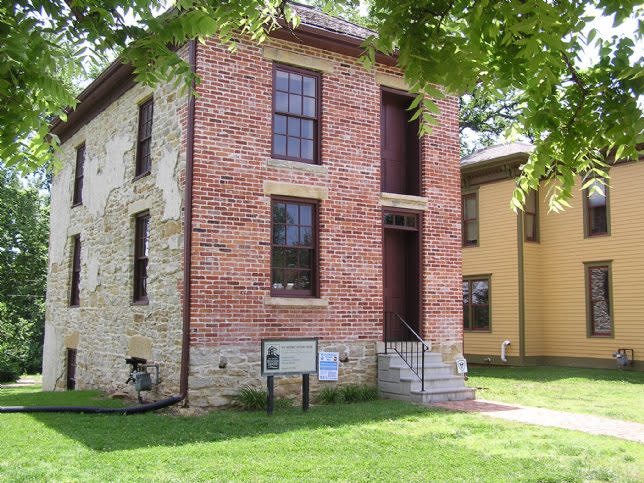
In Topeka, visit the Ritchie House, built in 1856 by abolitionists John and Mary Jane Ritchie. The Ritchie house served as a stop along the Underground Railroad and is considered the oldest home in the city. The Ritchie House served as a check-in point for freedom seekers as they moved to other locations, such as Constitution Hall. Constitution Hall served as Â鶹´«Ã½¹ÙÍø’ first statehouse and hosted freedom seekers.
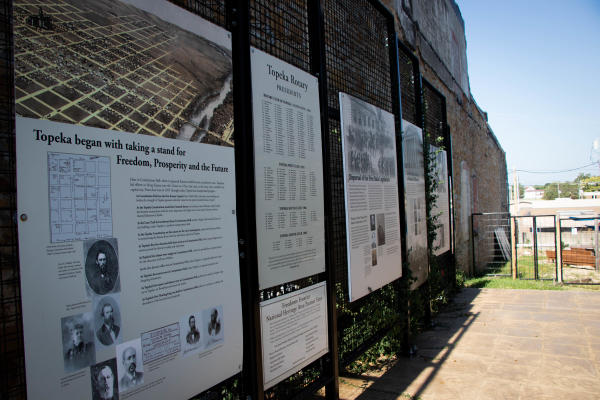
Meet Unexpected Participants In the Underground Railroad
The history of the Underground Railroad is often told through the eyes of the outspoken abolitionists who served as the hallmark conductors of the journey to freedom. Travel in Â鶹´«Ã½¹ÙÍø allows visitors to learn the stories of the unexpected participants. Underground Railroad stops were a combination of well-established sanctuaries and hastily-prepared halts. The inspiring stories of Kansans who became active participants in the Underground Railroad are prominent in traveling Â鶹´«Ã½¹ÙÍø. The contributions of women, free African Americans, Jewish Americans, and Native Americans are on display in the national heritage area. It is astounding to consider that these individuals risked so much for the freedom of others while they themselves were facing discrimination and inequality.
The Quindaro Commemorative Site in Â鶹´«Ã½¹ÙÍø City, KS, provides a snapshot of the diversity of the individuals who came together for the movement. The Quindaro Ruins are an active archaeological dig site that served as a final stop in Â鶹´«Ã½¹ÙÍø before continuing on to Iowa. The site is often referred to as “the Pompeii of Â鶹´«Ã½¹ÙÍø.” A prominent figure in the story is female abolitionist Clarina Nichols who was the editor of an anti-slavery newspaper in Quindaro and would become a crusader for women’s rights following her participation in the Underground Railroad.
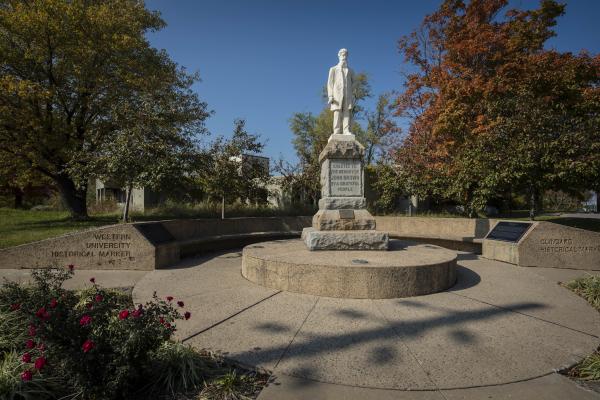
Another underrepresented population in the story of the Underground Railroad is the Freedom Seekers themselves. The tales of heroism among those who sought agency for themselves and their families can be difficult to uncover because anonymity was paramount to the success of the journey. in Lawrence is one location where the story of the Freedom Seekers is known. The location hosted abolitionist John Brown, 11 Freedom Seekers, and a free-born child. It is a rare instance in which the identities of all participants are known. Lawrence was an important stop on the Underground Railroad, the city played a central role in the state’s anti-slavery struggle.
See, Read, Touch, and Share History
In the same way that the Underground Railroad was a grassroots movement, Freedom’s Frontier is a grassroots movement. Â鶹´«Ã½¹ÙÍø offers a chance to walk the same ground that is featured in the historic telling of our country’s move to abolition. And while many stories have been discovered, there is still an opportunity to uncover the hidden history of the Underground Railroad in Â鶹´«Ã½¹ÙÍø, making the state a wonderful destination for historians; both professional and hobbyists.
“People think history is boring because they think of it in the abstract, they think dates,” said Dr. Déanda Johnson, Midwest Regional Manager, National Underground Railroad Network to Freedom Program. “Visiting Freedom’s Frontier, you can see there was someone here who shaped the place I live in. This history touched the ground I am on.”
It’s true that walking the trails of Mount Mitchell Heritage Prairie allows you to experience the open prairie that Freedom Seekers crossed on their way to their next stop. Mount Mitchell Prairie is dedicated to famed abolitionist Captain William Mitchell and the Beecher Bible and Rifle Company. The area provides easy access to three sites. In addition to Mount Mitchell Heritage Prairie, visitors can also explore the William Mitchell House and Wabaunsee Cemetery.

The Underground Railroad Paved The Way for Â鶹´«Ã½¹ÙÍø’ Impact On Civil Rights
Â鶹´«Ã½¹ÙÍø gained a reputation for its active participation in the Underground Railroad and its willingness to fight for freedom. As that reputation grew, Freedom Seekers increasingly came to Â鶹´«Ã½¹ÙÍø, not only for a safe haven to points further north but also to live in a place where they believed they would be treated equally. This migration laid the foundation for groundbreaking changes that occurred in Â鶹´«Ã½¹ÙÍø that contributed to the rich cultural history Â鶹´«Ã½¹ÙÍø now enjoys. Traces of the Underground Railroad movement can be seen in the Civil Rights and Women’s Rights movements, which both have deep roots in Â鶹´«Ã½¹ÙÍø.
September is National Underground Railroad Network to Freedom Month. Visiting the places where this important history happened helps provide context for today’s world. Making sense of the past helps make sense of the present. “We are always trying to create a more perfect union,” says Dr. Johnson. “It wasn’t complete then, it isn’t complete now. We are a work in progress.”
Plan a trip to discover the by visiting the Freedom’s Frontier site or by downloading the Freedom’s Frontier App available in the Google Play and .